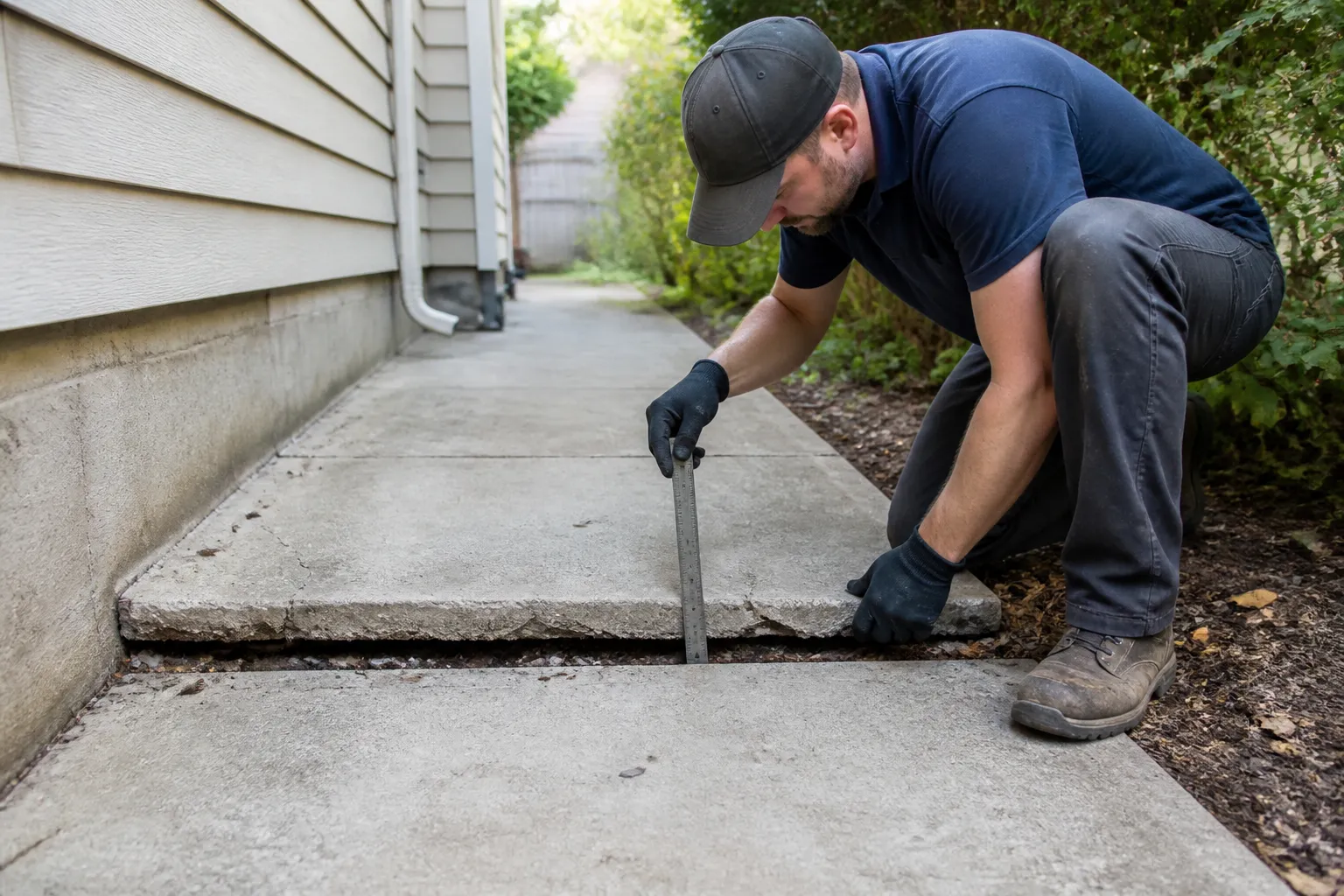
Uneven concrete can turn a simple walkway, patio, or slab edge into a daily annoyance. You may notice a sunken spot, a tilted slab, gaps near the edge, or a section that collects water after rain. Those changes usually start small, then become harder to ignore as the surface settles farther out of place.
If your concrete is shifting, cracking around the seams, or making entry points feel awkward to use, it is worth having it looked at before the damage spreads. Birmingham Crawl Space Experts can evaluate the cause and recommend a concrete leveling solution that fits the condition of the slab and the surrounding support.
Concrete does not usually sink all at once. It tends to move gradually as the ground beneath it loses support, shifts, or washes out. Catching the warning signs early can help limit further movement and reduce strain on nearby structures.
These changes can affect curb appeal, but they also matter for safety and drainage. A settled slab may create a trip hazard, push water toward the home, or place stress on adjacent materials.
Most concrete leveling jobs start with one core issue: the material beneath the slab is no longer providing even support. Once that support weakens, the concrete settles into the void or soft area below it.
Soil can shift, compact, or wash out over time. When that happens under a slab, the concrete has nowhere stable to rest and begins to drop. This is common around walkways, small pads, and other flat surfaces that depend on a consistent base.
Water is often part of the problem. Drainage that moves across or under a slab can carry fine soil away, leaving hollow pockets. Moisture can also soften the ground and make it easier for the slab to move.
Some areas carry more weight than others. Repeated use, heavy objects, or changes around the slab can make weak spots settle faster. Once one corner dips, nearby sections may begin to follow.
Concrete leveling is about restoring support, not just covering the symptom. At Birmingham Crawl Space Experts, we look at the slab condition, the source of settlement, and the surrounding drainage before recommending a path forward.
Where the support beneath the concrete is the main concern, the goal is to bring the slab back to a more even position and reduce further movement. The exact method depends on how much the surface has shifted and whether the base underneath can hold it.
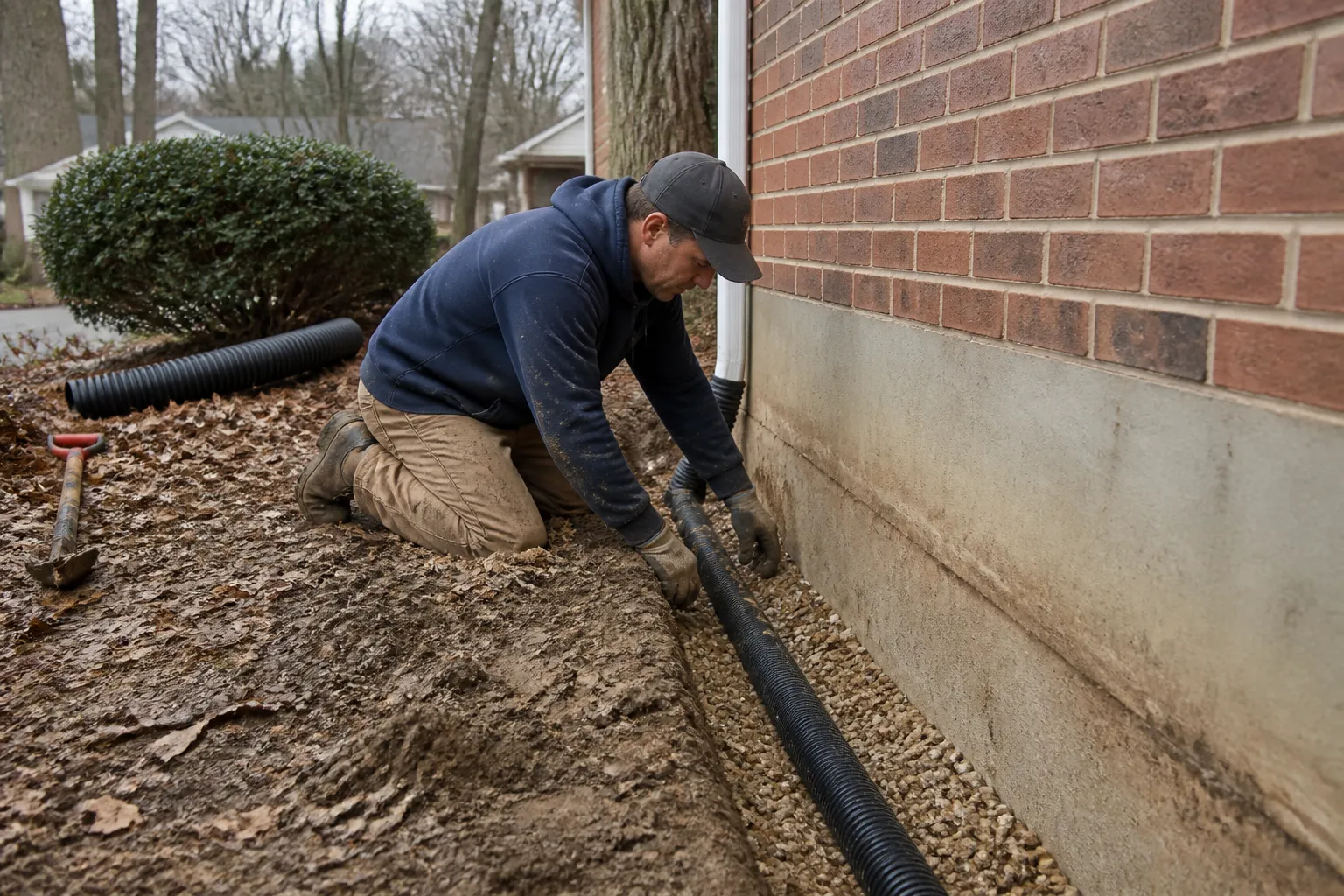
If water is feeding the settlement, leveling alone may not be enough. We may also discuss drainage improvements, such as French drain installation or sump pump installation where water management is part of the fix. For some properties, crawl space waterproofing or moisture barriers help reduce the conditions that contributed to the movement.
Concrete problems sometimes appear alongside foundation concerns, crawl space moisture, or structural wear. When needed, we can look beyond the slab itself and identify whether framing repair, post-pier repair, masonry repair, or dry rot repair should be part of the larger plan.
A useful inspection starts with seeing how the slab behaves, not just where it looks uneven. Birmingham Crawl Space Experts examines the visible surface, the surrounding grade, and any signs that water or structural stress may be involved.
This approach helps homeowners avoid treating only the visible symptom. If a slab was lifted without addressing drainage or support loss, the problem may return later.
Concrete leveling can make a noticeable difference on many common residential surfaces. The exact result depends on how far the slab has moved and what sits beneath it.
When concrete settles near a crawl space or along the perimeter of the home, the issue deserves attention sooner rather than later. Movement there can signal broader soil or drainage conditions that affect other parts of the property.
Concrete and moisture are closely connected. If water keeps reaching the same area, the ground beneath the slab can weaken again even after the surface is corrected. That is why moisture control matters so much during concrete leveling work.
Homes with crawl space moisture, standing water, or poor vapor control often see more settlement near nearby slabs and edges. In those cases, a concrete fix may work better when paired with crawl space encapsulation, vapor and moisture barriers, moisture remediation, or dehumidifier installation. The goal is to reduce the conditions that let support wash away or soften.
Birmingham Crawl Space Experts also handles basement waterproofing and exterior waterproofing when a home needs a broader water control plan. If the slab issue is part of a larger drainage pattern, fixing only the surface can leave the root problem untouched.
Some concrete settlement problems show up alongside damage to the structure that surrounds it. When we inspect a site, we pay attention to whether the slab movement is tied to other repair needs.
If the settling has affected support elements, you may also need foundation repair, framing repair, or post-pier work. These issues can influence how a slab sits and whether it stays even after leveling.
Water or pests can create conditions that weaken nearby materials. We also handle water damage repair and termite damage repair when those problems affect crawl space materials or supporting structures.
That broader view helps homeowners make one clear plan instead of patching separate symptoms over time.
Homeowners usually want a straightforward process and plain recommendations. That is the approach Birmingham Crawl Space Experts takes on every concrete leveling visit.
We keep the focus on practical solutions. That means recommending only what the property needs, not padding the job with extra work.
Look for sloping areas, raised seams, cracking near one edge, or spots where water collects after rainfall. A noticeable step between sections is another common sign.
Yes, a leveled slab can reduce the uneven transitions that create trip points on walkways, patios, and entry paths.
Not every time, but many do. If water caused the support loss under the slab, drainage improvements may be needed to help protect the correction.
That can matter a lot. Settlement near a crawl space may point to moisture, soil movement, or structural concerns that deserve a close look.
Yes. It often works alongside crawl space encapsulation, waterproofing, foundation repair, or structural repairs when the movement is tied to a bigger issue.
The sooner the better, especially if the uneven area is getting worse, collecting water, or affecting a doorway, path, or support edge.
If you are seeing settled concrete around your Birmingham property, Birmingham Crawl Space Experts can take a close look and explain what is happening beneath the surface. We work from our Birmingham office at 120 19th St N #200, Birmingham, AL 35203, and we are available seven days a week from 8:00 AM to 8:00 PM. Call +12052368603 to schedule an inspection and get a clear plan for the slab and the conditions that caused it to move.
Get Started
Share what you are seeing in your crawl space or basement, and we will help you identify the next best step for moisture control, repair, or drainage improvements.