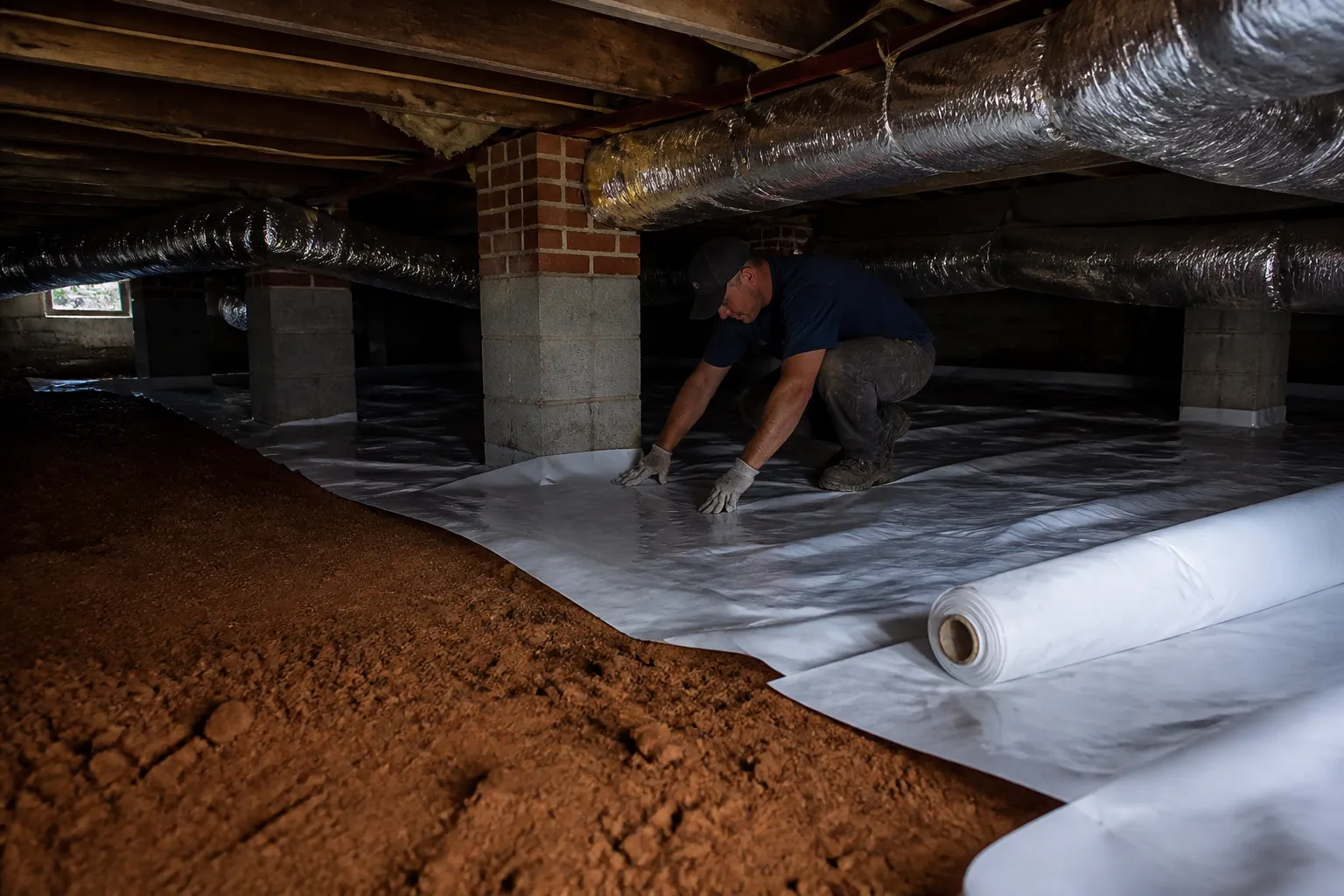
Musty odors, damp insulation, soft spots near the floor, or standing water under the house are signs your crawl space needs attention now. Water does not stay put for long. It can move into wood, insulation, ducts, and nearby materials, leaving behind moisture problems that keep coming back.
If you have noticed these warning signs at your Birmingham home, Birmingham Crawl Space Experts can inspect the crawl space, find where water is entering, and recommend a waterproofing plan that fits the condition of the space. The goal is simple: reduce moisture, protect the structure, and help keep the area dry for the long term.
Crawl space water problems often start small, then spread. Homeowners usually notice the effects before they see the source. A damp crawl space may still look manageable at first, but repeated wetting can lead to damage that gets harder to ignore.
Watch for these common signs:
These clues point to a moisture path that should be traced, not covered up. Waterproofing starts with identifying where the crawl space is taking on water and how that water is spreading.
Birmingham Crawl Space Experts begins with a crawl space inspection focused on moisture movement, drainage conditions, and vulnerable structural areas. We look for standing water, damp soil, failing vapor protection, and signs that water is reaching framing or support materials.
From there, we recommend a solution based on what the crawl space actually needs. That may mean drainage improvements, moisture barriers, sump pump installation, or a combination of methods. The point is to address the source and the conditions that allow moisture to stay trapped.
We check the crawl space for visible water intrusion, humidity concerns, drainage paths, and damage tied to long-term moisture exposure. If structural issues, dry rot, or termite damage are part of the problem, those concerns are reviewed as well.
Once we understand the conditions, we outline the steps that make the most sense for the space. Some crawl spaces need targeted repairs. Others need a more complete waterproofing setup to keep water from collecting again.
Crawl space waterproofing is rarely one single fix. It often works best as a system of parts that manage water, moisture, and humidity together. The right combination depends on how water is entering and what the crawl space structure is made of.
Common waterproofing solutions include:
Not every crawl space needs every option. We match the solution to the condition rather than pushing a one-size-fits-all setup.
Water often enters a crawl space through more than one path. A small opening, a poor drainage area, or bare soil can be enough to keep the space damp even when there is no visible leak.
Soil naturally gives off moisture. Without a barrier, that vapor can collect under the house and settle into nearby materials.
Rainwater can move toward the foundation and find its way inside through openings, weak points, or low spots that hold water.
If water keeps gathering after each storm or wet period, the crawl space can stay damp long enough for mold odor, rot, and damage to develop.
Even after visible water dries, humidity can remain high and keep the space from truly drying out.
Stopping one source without addressing the rest usually leads to repeated trouble. That is why a complete waterproofing plan matters.
Moisture is not just a comfort issue. It can affect the framing and support materials that hold up the home. Over time, damp conditions can lead to wood decay, weakening, and damage around posts, beams, and joists.
If water has already affected the structure, we may discuss crawl space repair work that supports the waterproofing plan. That can include framing repair, masonry and post-pier repair, dry rot repair, or water damage repair when those problems are tied to moisture exposure.
Repeated wetting can leave wood soft, stained, or brittle. Once decay begins, the damage can spread beyond the first visible area.
Posts, piers, and framing members need dry conditions to stay stable. When water lingers under the house, those materials can begin to shift or weaken.
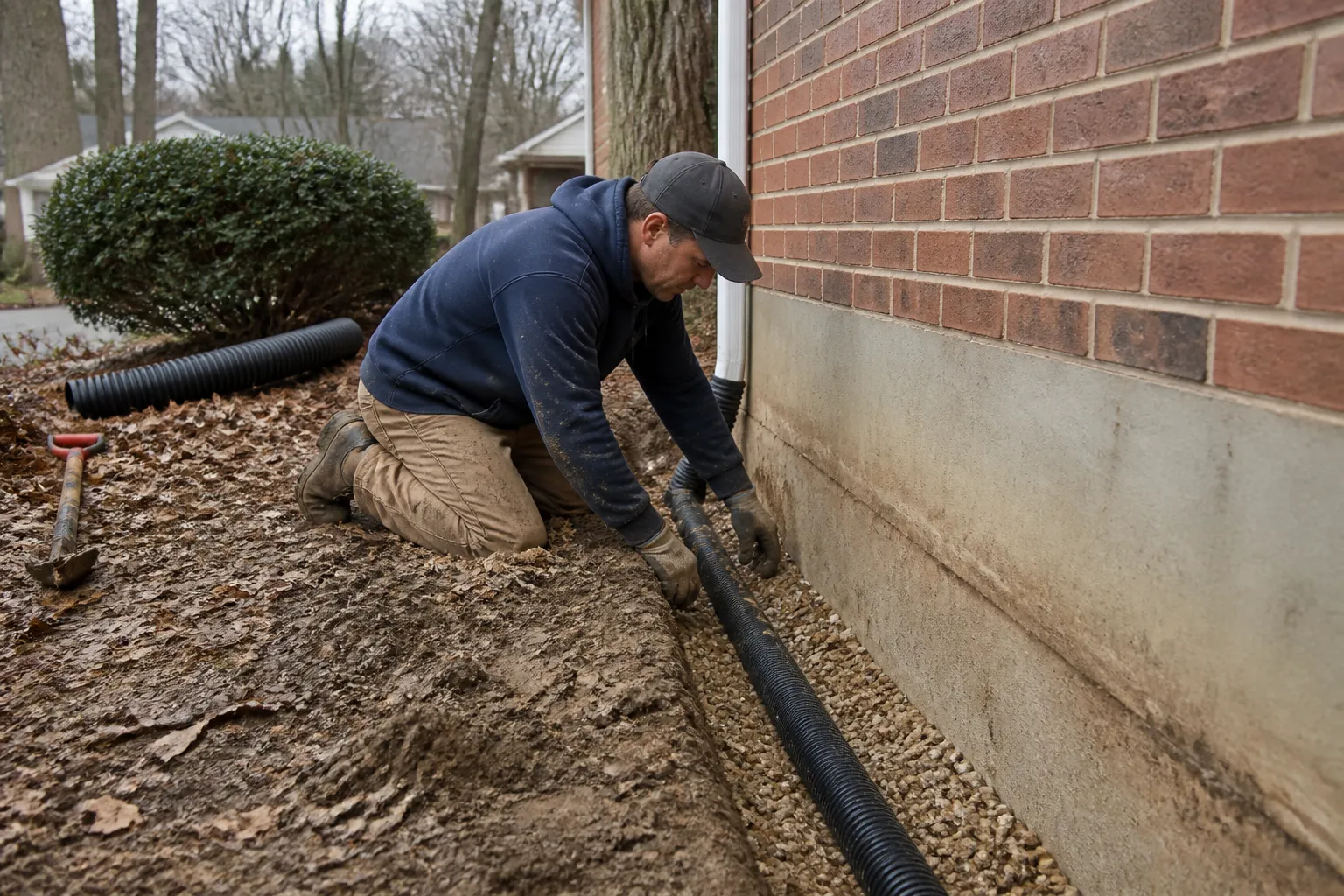
Many crawl spaces need water to be moved out, not just covered over. That is where drainage and pump solutions come into play. These systems help manage water that would otherwise pool near the foundation or settle under the home.
French drain installation can redirect collected water to a more manageable path. A sump pump can then remove water from a low point where it gathers. When paired with moisture barriers and good crawl space sealing, these systems can make a major difference for a wet crawl space.
We evaluate the amount of water present, the path it takes, and the lowest points of the crawl space before recommending a setup. That helps avoid adding equipment that does not match the problem.
Homeowners often want a straightforward idea of what happens after they call. The process is clear and practical, with each step focused on the crawl space conditions we find.
We inspect the crawl space for moisture, drainage concerns, standing water, and visible damage.
We look for the reasons water is entering or staying trapped beneath the home.
We explain which waterproofing methods fit the crawl space and why those steps matter.
We carry out the recommended waterproofing and related repairs with attention to the condition of the space.
We review what was done and what the homeowner should watch for going forward.
This process keeps the work focused on the actual moisture problem instead of covering symptoms for a short time.
Birmingham homes can have crawl spaces that face different moisture conditions depending on the structure and site. Some need simple barrier upgrades. Others need a more complete waterproofing plan because water has already affected structural materials or created repeated dampness.
Birmingham Crawl Space Experts serves homeowners across Birmingham and nearby communities such as Hoover, Bessemer, Trussville, Homewood, Vestavia Hills, Irondale, Gardendale, Center Point, Fultondale, Leeds, Helena, and Pelham. If you live nearby and see moisture signs under the house, we can inspect the space and explain the next step clearly.
The objective is not to overbuild the job. It is to solve the water problem with a plan that fits the crawl space and the home above it.
It helps reduce standing water, damp soil conditions, moisture damage, and the odors that often come from a wet crawl space.
No. Some spaces need drainage and a sump pump, while others need moisture barriers, vapor barriers, humidity control, or encapsulation.
Yes. Musty odor is often linked to moisture that has stayed in the space long enough to affect wood, insulation, or soil.
If moisture has reached framing or support materials, we may recommend structural repair alongside waterproofing to address both the cause and the damage.
Not exactly. Encapsulation is one method that can be part of a waterproofing plan, but some crawl spaces also need drainage or pump systems.
If the space feels damp after visible water dries, or if condensation keeps returning, humidity control may be needed to help keep conditions stable.
If your crawl space shows signs of water intrusion, do not wait for the next round of damage to tell you what is happening. A careful inspection can reveal whether you need drainage, a vapor barrier, sump pump installation, or a broader waterproofing plan.
Contact Birmingham Crawl Space Experts at +12052368603 or visit us at 120 19th St N #200, Birmingham, AL 35203. We are available Monday through Sunday from 8:00 AM to 8:00 PM.
Get Started
Share what you are seeing in your crawl space or basement, and we will help you identify the next best step for moisture control, repair, or drainage improvements.