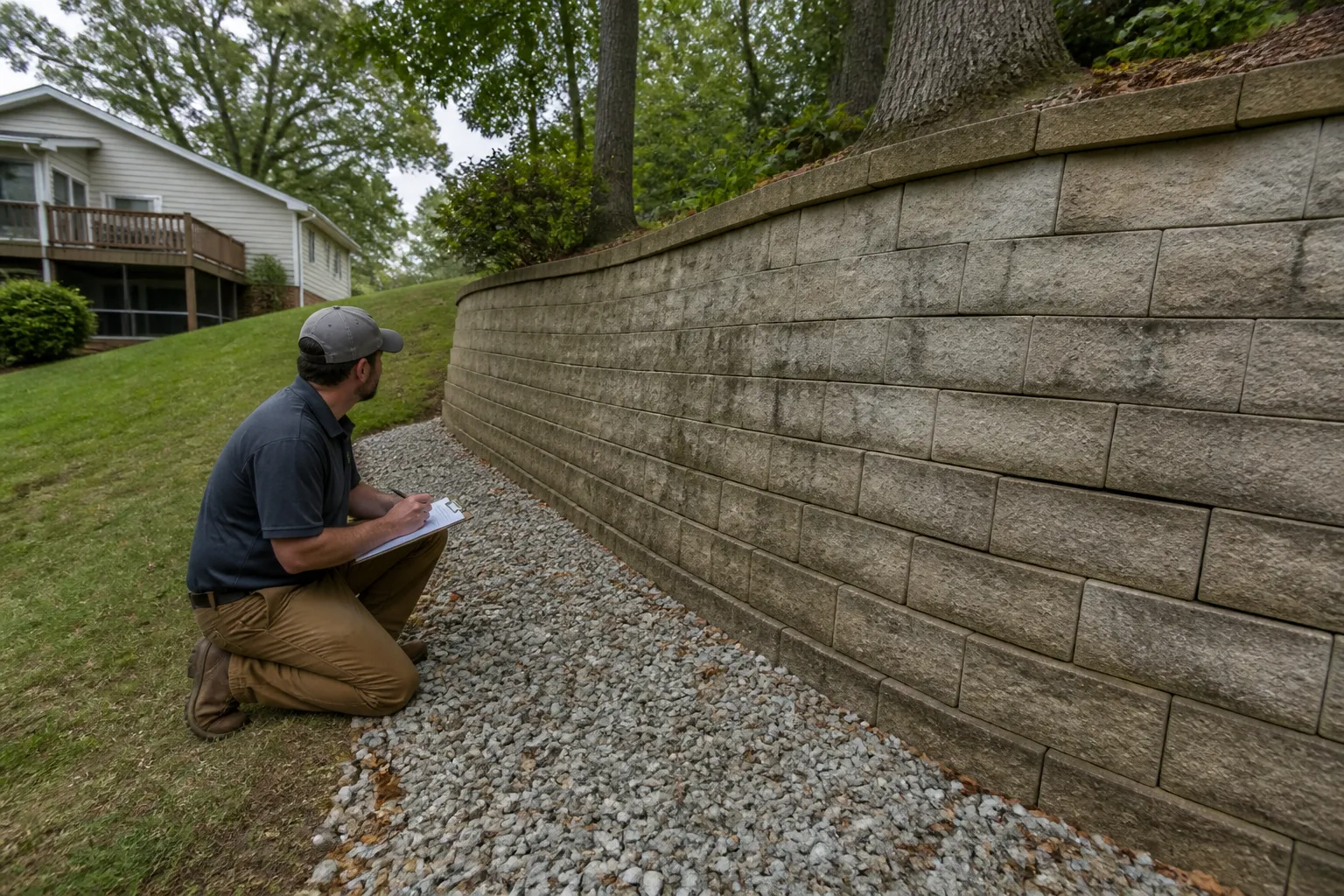
A retaining wall that leans, cracks, or starts separating from the soil is asking for attention. You may notice new gaps, bulges, loose blocks, or a wall that no longer holds back soil the way it should. Those changes can point to drainage trouble, shifting pressure, or damage that keeps spreading.
Birmingham Crawl Space Experts helps Birmingham homeowners sort out the cause and choose a repair that fits the wall’s condition. If a wall is bowing, settling, or showing signs of water damage, we can inspect the structure, identify what is pushing against it, and recommend a practical path forward.
Retaining wall problems often start small, then become harder to ignore. A minor crack or slight lean can turn into a wall that moves more noticeably after rain, or a section that no longer holds soil where it should.
If you see more than one of these symptoms, the wall may need more than a surface patch. The underlying cause matters just as much as the visible damage.
Retaining walls work against pressure from the soil they support. When water collects behind the wall or the structure starts to age, that pressure can increase and force the wall out of alignment.
Water trapped behind a retaining wall adds weight and pushes hard against the structure. Without a good path to release that water, the wall can begin to bow, crack, or settle unevenly.
Soil shifts over time. When the ground behind the wall moves or becomes saturated, the wall can lose the support it once had and begin to fail at weak points.
Blocks, mortar, footing areas, and reinforcement can break down over time. Once that happens, small defects can grow into wider movement, especially if water is also involved.
Not every retaining wall needs the same fix. The right approach depends on whether the damage is cosmetic, structural, or tied to drainage and soil pressure. We look at the wall as a system, not just the cracked surface.
Birmingham Crawl Space Experts focuses on the repair path that addresses the cause, not just the visible damage. That helps the wall hold up better after the work is complete.
A careful inspection makes it easier to avoid guesswork. We review the wall’s visible condition, look for movement patterns, and check for signs that water or soil pressure is affecting the structure behind the surface.
During an inspection, we pay close attention to:
That lets us give straightforward recommendations instead of a one-size-fits-all answer. If the wall can be repaired, we’ll explain what needs to happen. If the structure is showing broader failure, we’ll say so plainly.
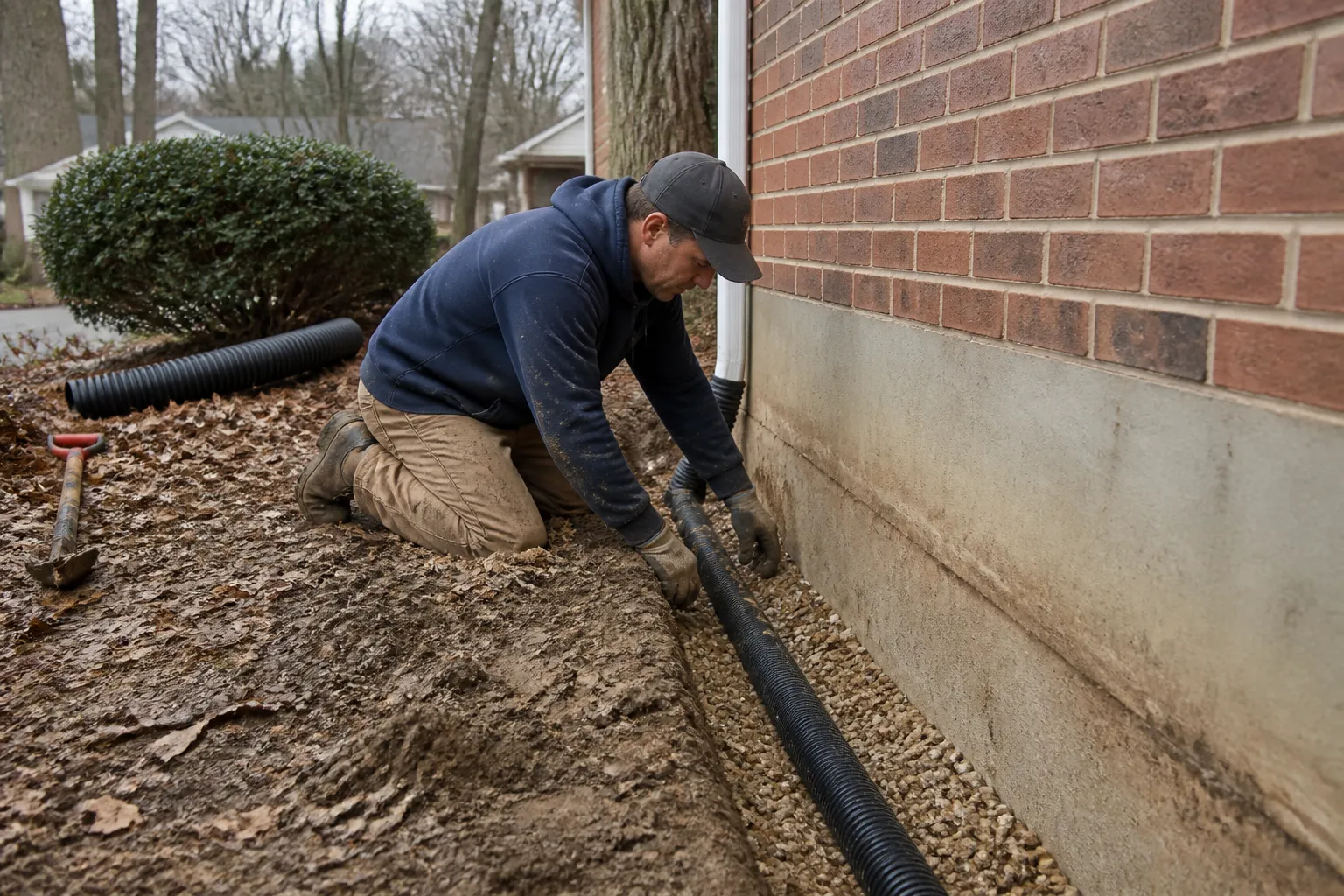
Retaining wall repair often goes hand in hand with drainage work. If water stays trapped behind the wall, the same pressure that caused the damage can keep building after the repair.
French drain installation can help redirect water away from the wall and reduce pressure behind it. That can be especially useful when the problem is tied to repeated saturation.
When water collects near low areas, sump pump installation may be part of the solution. Moving water out of the area helps protect both the wall and nearby structures.
Exterior waterproofing and moisture barriers can help limit the amount of water reaching vulnerable parts of the structure. Used with the right drainage setup, these measures can support longer-lasting repairs.
A damaged retaining wall can create more than a visual problem. It can affect nearby walkways, grading, and the stability of soil that should stay where it belongs. If the wall is near a crawl space or foundation area, the risk can be even more serious.
Homeowners often call after noticing one of these concerns:
When these signs show up, it is smart to have the wall evaluated before the damage spreads. Small repairs are usually easier to manage than a wall that has been left under pressure for too long.
Birmingham Crawl Space Experts serves Birmingham homeowners with practical retaining wall repair focused on cause and structure. We do not treat every wall the same way. We look at what is failing, what is pushing on it, and what needs to be corrected so the repair has a solid chance to last.
Our work may include structural repair, masonry and post-pier repair, dry rot repair where connected materials have been affected, and drainage solutions when water is part of the problem. If the wall is also tied to crawl space moisture or water movement near the home, we can connect the repair plan to those conditions as well.
We keep the process straightforward, explain what we find, and make recommendations that fit the condition of the wall rather than forcing an unnecessary fix.
Leaning often comes from water pressure, shifting soil, poor drainage, or structural wear. The wall may be losing support behind it or facing more force than it was built to handle.
Yes, many cracked walls can be repaired. The right solution depends on whether the crack is surface-level, structural, or part of a larger movement problem.
Yes. Drainage is one of the biggest factors in retaining wall performance. Water buildup behind the wall adds weight and pressure that can lead to movement or failure.
If the wall is bowing, shifting, separating, or showing recurring movement, structural repair may be needed. Visible cracks alone do not always tell the whole story, so an inspection is useful.
Yes. A failing wall can affect nearby soil, concrete, grading, and sometimes areas tied to the foundation or crawl space. That is why the surrounding conditions matter during evaluation.
Yes. If moisture, water intrusion, or drainage trouble is part of the issue, we can address those concerns as part of the repair plan for the wall and nearby structure.
If your retaining wall is leaning, cracking, or showing signs of water-related stress, it is worth getting it checked before the damage grows. Birmingham Crawl Space Experts provides retaining wall repair for Birmingham homeowners who want a clear assessment and a practical solution.
Call +12052368603 or visit us at 120 19th St N #200, Birmingham, AL 35203. We are available Monday through Sunday from 8:00 AM to 8:00 PM.
Get Started
Share what you are seeing in your crawl space or basement, and we will help you identify the next best step for moisture control, repair, or drainage improvements.