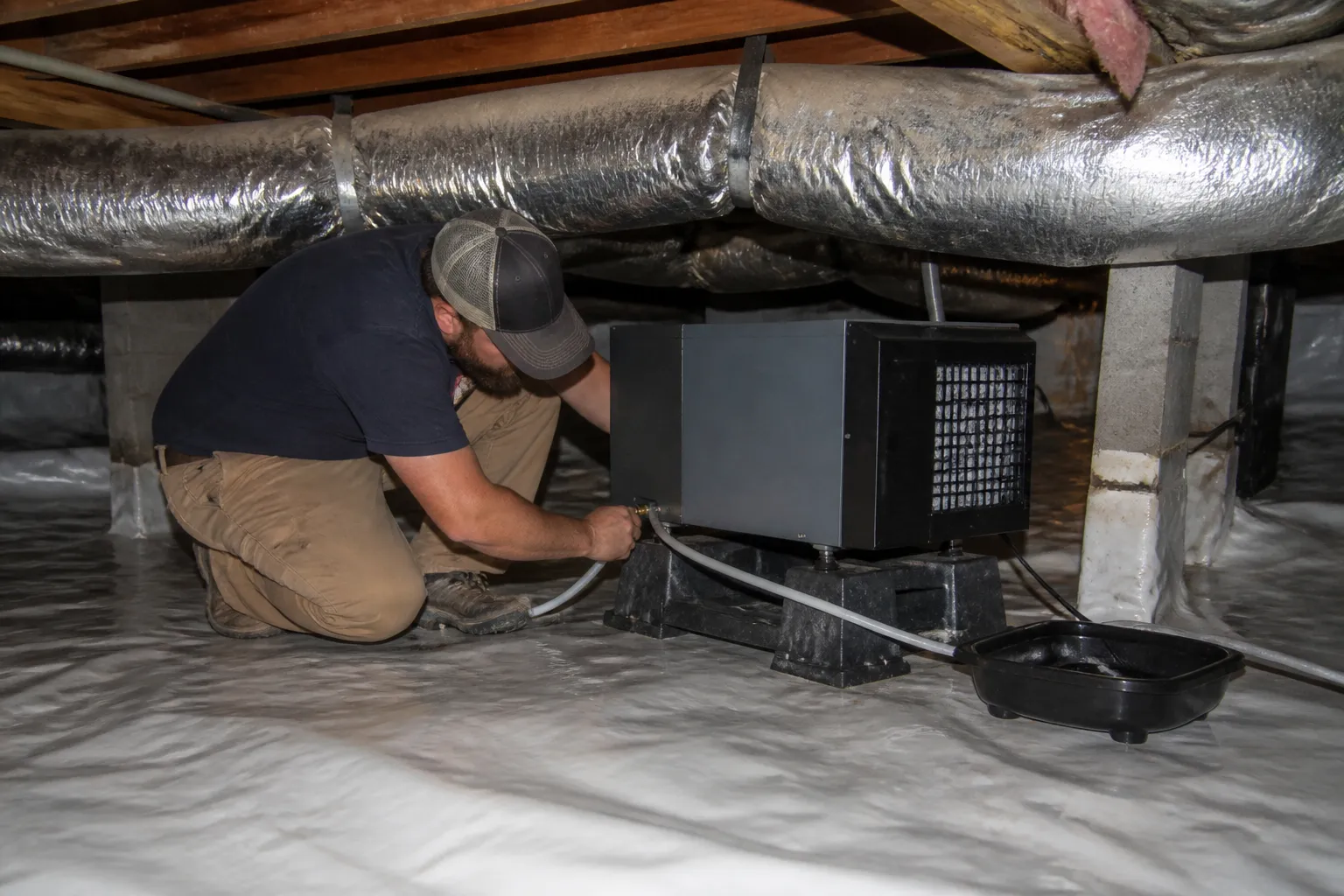
If your crawl space feels damp, musty, or sticky, the air below your home may be working against you every day. Condensation, high humidity, and lingering moisture can lead to odors, wood damage, and conditions that make the space harder to maintain.
Birmingham Crawl Space Experts helps homeowners plan and install crawl space dehumidifiers that match the needs of the space, not just the symptom. We look at the moisture source, the size of the crawl space, and the condition of nearby barriers, drains, and vents so the installation supports long-term moisture control.
A dehumidifier is often part of the answer when the crawl space starts sending clear signals that moisture is collecting faster than it can dry out. You may notice one or more of these issues:
These symptoms do not always mean the same fix is needed. Sometimes the crawl space needs drainage work, a vapor barrier, or moisture remediation before a dehumidifier can do its job well. That is why we start with a crawl space inspection and then recommend a solution that fits the actual conditions below your home.
A crawl space dehumidifier pulls excess moisture from the air and helps keep humidity at a more stable level. That matters because humid air can feed odors, encourage wood movement, and create a setting where materials stay damp longer than they should.
Installed as part of a larger moisture control plan, the unit can help reduce day-to-day humidity swings and support other protections already in place, such as vapor barriers, crawl space encapsulation, French drains, or sump pump installation. When the space is balanced, the entire area is easier to maintain and less likely to hold onto that damp, closed-in feel homeowners notice first.
A dehumidifier is not a substitute for fixing standing water or a broken moisture source. It works best when paired with the right crawl space setup. If water enters the space through soil, drainage paths, or foundation issues, we may recommend crawl space waterproofing, drainage improvements, or structural repair before or alongside dehumidifier installation.
Before installing equipment, we look at the parts of the crawl space that affect moisture control and system performance. That lets us avoid guessing and helps us place the unit where it can do the most good.
We check how much moisture is present and whether the crawl space holds humid air for long periods.
We look for standing water, runoff paths, or places where water collects near the foundation.
We assess vapor and moisture barriers to see whether they are intact, damaged, or missing sections.
We examine joists, beams, posts, and nearby framing for moisture-related wear or dry rot concerns.
We consider clearance, airflow, and placement so the unit can be serviced and can move moisture effectively.
If the crawl space has related problems, such as termite damage repair, masonry and post-pier repair, or framing repair needs, those conditions are addressed as part of the overall plan rather than ignored.
Homeowners often want to know what happens after the inspection. Our process is straightforward and focused on the condition of the crawl space, not unnecessary add-ons.
We inspect the crawl space and identify the moisture concerns that need attention.
We select a dehumidifier approach that matches the space size and moisture load.
If needed, we address access issues, standing water concerns, or barrier problems that would affect installation.
We place and connect the dehumidifier so it can manage humidity across the crawl space.
We confirm the setup aligns with the moisture conditions we found and explain what to monitor next.
When additional work is needed, such as crawl space encapsulation, vapor and moisture barriers, or French drain installation, we explain how those pieces support the dehumidifier instead of leaving the homeowner to sort out the sequence alone.
Even after a dehumidifier is installed, the crawl space should be watched for changes that suggest the moisture load is shifting. The goal is to keep the space from drifting back into damp conditions.
If any of these issues show up, the crawl space may need drainage repair, moisture remediation, or a review of the dehumidifier setup. The equipment should work as part of a system, not as a stand-alone fix for every moisture problem.
Homes across Birmingham can face different crawl space conditions depending on how the space was built, how it has been maintained, and what repairs have already been done. Some crawl spaces need focused humidity control, while others need broader help with waterproofing, drainage, or structural issues before a dehumidifier can be effective.
Birmingham Crawl Space Experts serves homeowners throughout Birmingham and nearby areas such as Hoover, Homewood, Vestavia Hills, Irondale, Gardendale, Center Point, Fultondale, Leeds, Pelham, Helena, Trussville, and Bessemer. If your crawl space has a mix of moisture concerns and structural wear, we can help sort out the next step without making the process more complicated than it needs to be.
Excess humidity below the home can create more than a nuisance. It can affect framing, insulation, odors, and comfort above the floor. A dehumidifier can help stabilize the space so other repairs last longer and the crawl space stays easier to manage.
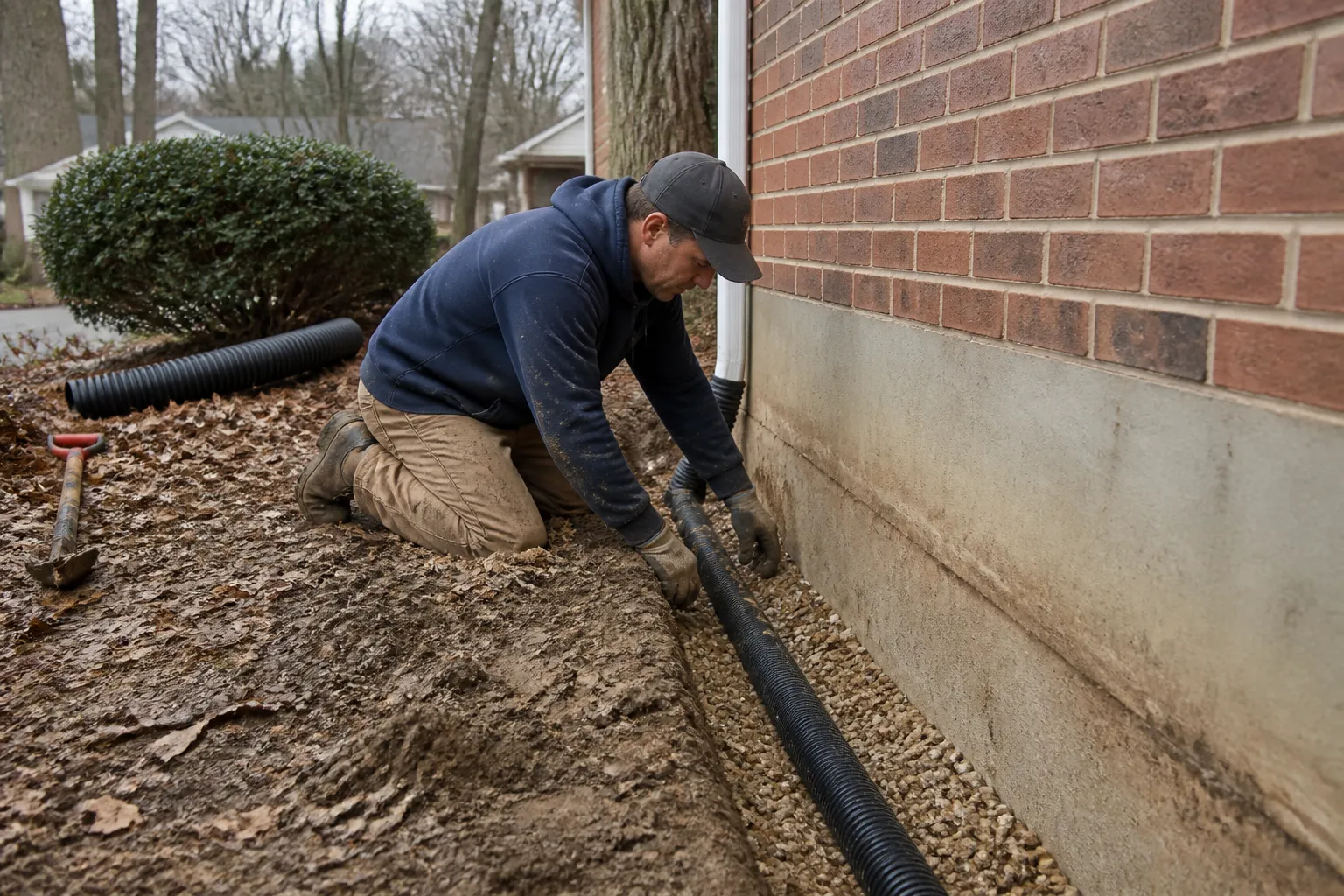
For some homes, the right answer is a single crawl space dehumidifier. For others, it is part of a broader plan that includes crawl space waterproofing, encapsulation, sump pump installation, or concrete repair where needed. We focus on what the crawl space is telling us and recommend a path that matches the conditions present now, not an oversized fix.
If you notice musty odors, condensation, damp insulation, or recurring humidity below the home, a dehumidifier may be a smart next step. An inspection can confirm whether the crawl space also needs drainage or barrier work.
Yes. A crawl space dehumidifier often works well with encapsulation because the sealed environment helps reduce outside moisture intrusion and makes humidity control more manageable.
Standing water usually needs a drainage or waterproofing solution first. A dehumidifier can manage air moisture, but it does not remove collected water from the crawl space floor.
It can help reduce musty odors tied to humidity and damp materials. If odors are caused by active moisture intrusion or damaged materials, those issues may also need repair.
Over time, persistent moisture can affect wood framing, insulation, and structural supports. It may also contribute to dry rot, masonry concerns, or termite-related damage that needs separate repair.
Yes. We also handle crawl space encapsulation, waterproofing, moisture remediation, vapor and moisture barriers, humidity control, French drain installation, sump pump installation, structural repair, framing repair, masonry and post-pier repair, dry rot repair, water damage repair, and termite damage repair when those problems affect the crawl space or supporting structures.
If your crawl space below a Birmingham home feels damp or keeps holding onto moisture, it is worth taking a closer look before the damage spreads. Birmingham Crawl Space Experts can inspect the space, explain what is causing the humidity, and recommend a crawl space dehumidifier installation plan that fits the condition of your home.
Visit us at 120 19th St N #200, Birmingham, AL 35203, or call +12052368603. We are open Monday through Sunday from 8:00 AM to 8:00 PM.
Get Started
Share what you are seeing in your crawl space or basement, and we will help you identify the next best step for moisture control, repair, or drainage improvements.