Birmingham Crawl Space Experts wrote this guide for homeowners who want to know what crawl space work costs before they call anyone. Prices depend on the size of the space, how wet it is, and what needs fixing. The national figures below give you a starting point.
Published price ranges
- HomeAdvisor, an Angi company, puts crawl space encapsulation at $5,500 on average, with most homeowners spending $5,000 to $15,000.
- Basic encapsulation runs $2 to $4 per square foot, and more extensive jobs $3 to $10.
- A 20-mil vapor barrier costs $0.50 to $0.70 per square foot for material.
- A crawl space inspection runs $100 to $300.
- A dehumidifier runs $1,000 to $4,000, and a sump pump $1,200 to $2,500, per Angi.
- Replacing a rotted beam costs $400 to $1,200 per beam, per Angi.
What drives the price
Size and access
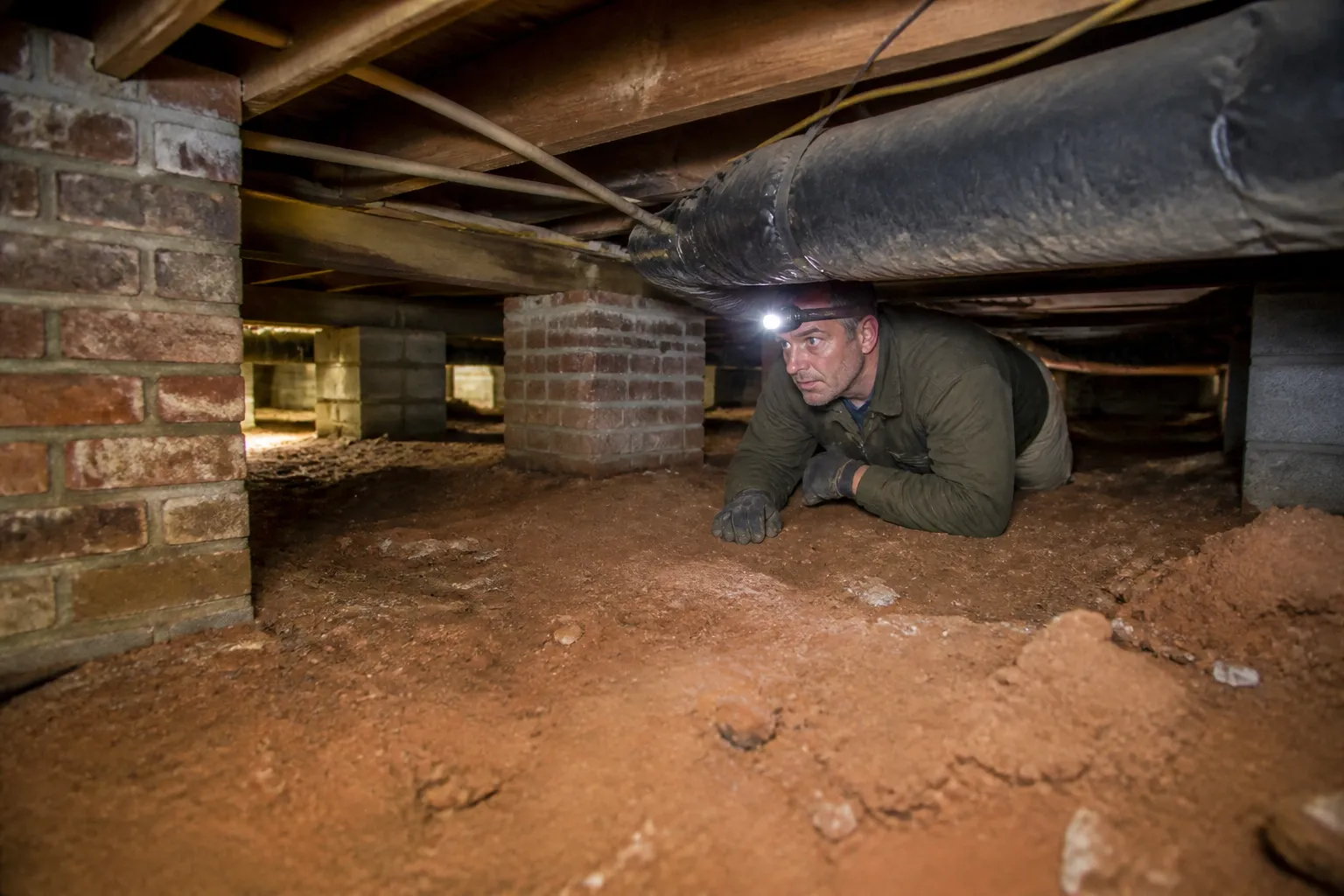
Larger crawl spaces need more liner and more labor. Low, tight spaces take longer to work in, which raises labor costs.
Water and moisture
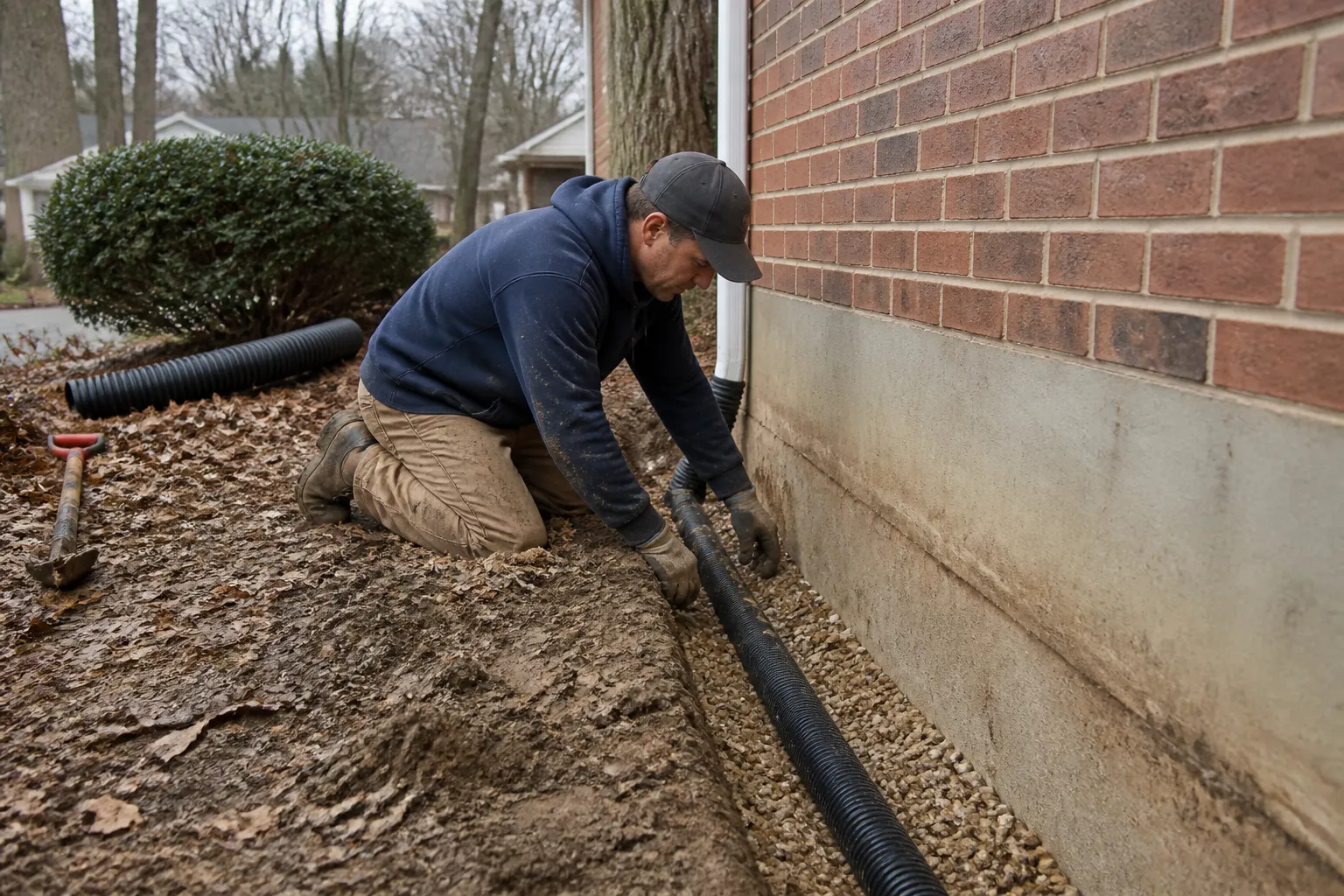
Standing water usually means drainage or a sump pump before sealing. Skipping that step can trap water under the liner.
Existing damage
Mold, rotted wood, sagging floors, and pests add cost. These should be handled before or during encapsulation.
Why Birmingham homes need a plan for moisture
Long, humid summers and heavy rain mean many crawl spaces in the area stay damp for months. Damp air under a house can lead to musty smells, wood rot, and higher energy bills. A plan that controls both water and humidity tends to last longest.
How to compare quotes
- Ask what liner thickness is included and whether walls are covered.
- Check whether vents are sealed and how.
- Ask if a dehumidifier or sump pump is part of the price.
- Get the warranty terms in writing.
What an encapsulation job includes
Most full encapsulation projects follow the same basic steps. First, the crew clears debris, old plastic, and damaged insulation. Next, any water problems are handled, which may mean a drain line or sump pump. Then a thick liner is laid across the floor, taped at the seams, and run up the walls. Vents and gaps are sealed so outside air stays out. Last, many systems add a dehumidifier to keep humidity in check.
Each step adds to the price, which is why two quotes for the “same” job can look very different. One may include drainage and a dehumidifier, while another covers only the liner.
Repairs that can come first
If floor joists or beams are soft from rot, they should be repaired before sealing. Angi lists adding a support pier at $800 to $4,000 and pier and beam repairs at about $10,000 on average. Fixing the structure first prevents sealing problems inside the space.
Ways to keep costs in line
- Fix gutters and downspouts first, since they are cheap and reduce water.
- Ask for itemized quotes so you can see each part of the price.
- Phase the work if needed, starting with water control.
Ongoing costs after encapsulation
An encapsulated crawl space still needs a little care. A dehumidifier uses electricity and may need a filter cleaned or replaced. A sump pump should be tested before the rainy season. The liner should be checked once or twice a year for tears, especially after plumbers or other trades have worked under the house. These small costs help protect the larger investment.
Encapsulation and home value
A dry, clean crawl space can be a selling point. Buyers and inspectors often look under the house, and visible water, mold, or rotted wood can raise concerns. Keeping records of the work, warranty, and any repairs makes it easier to show buyers that the problem was handled properly.
Typical timeline
Many encapsulation jobs take a few days, but the timeline depends on the size of the space and what needs fixing first. Drainage work, mold cleanup, or wood repairs add time. Ask your contractor for a schedule that lists each step, so you know when crews will be at your home.
Getting started
Begin with an inspection so you know what the crawl space actually needs. Then ask for an itemized quote that lists drainage, repairs, liner, sealing, and equipment on separate lines. This makes it easier to compare companies fairly.
Common questions
Is encapsulation worth the cost?
For damp crawl spaces, it can protect wood and improve comfort. A visit can tell you whether you need it.
Can I just add a vapor barrier?
A barrier alone costs less but does less. Full encapsulation also seals vents and controls humidity.
Do I need a dehumidifier?
Many sealed crawl spaces use one to keep humidity in check.