Birmingham Crawl Space Experts wrote this guide to explain the difference between a vapor barrier and full encapsulation. Both put plastic on the crawl space floor, but they are not the same job. The right choice depends on how wet the space is and what problems you are trying to solve.
What a vapor barrier does
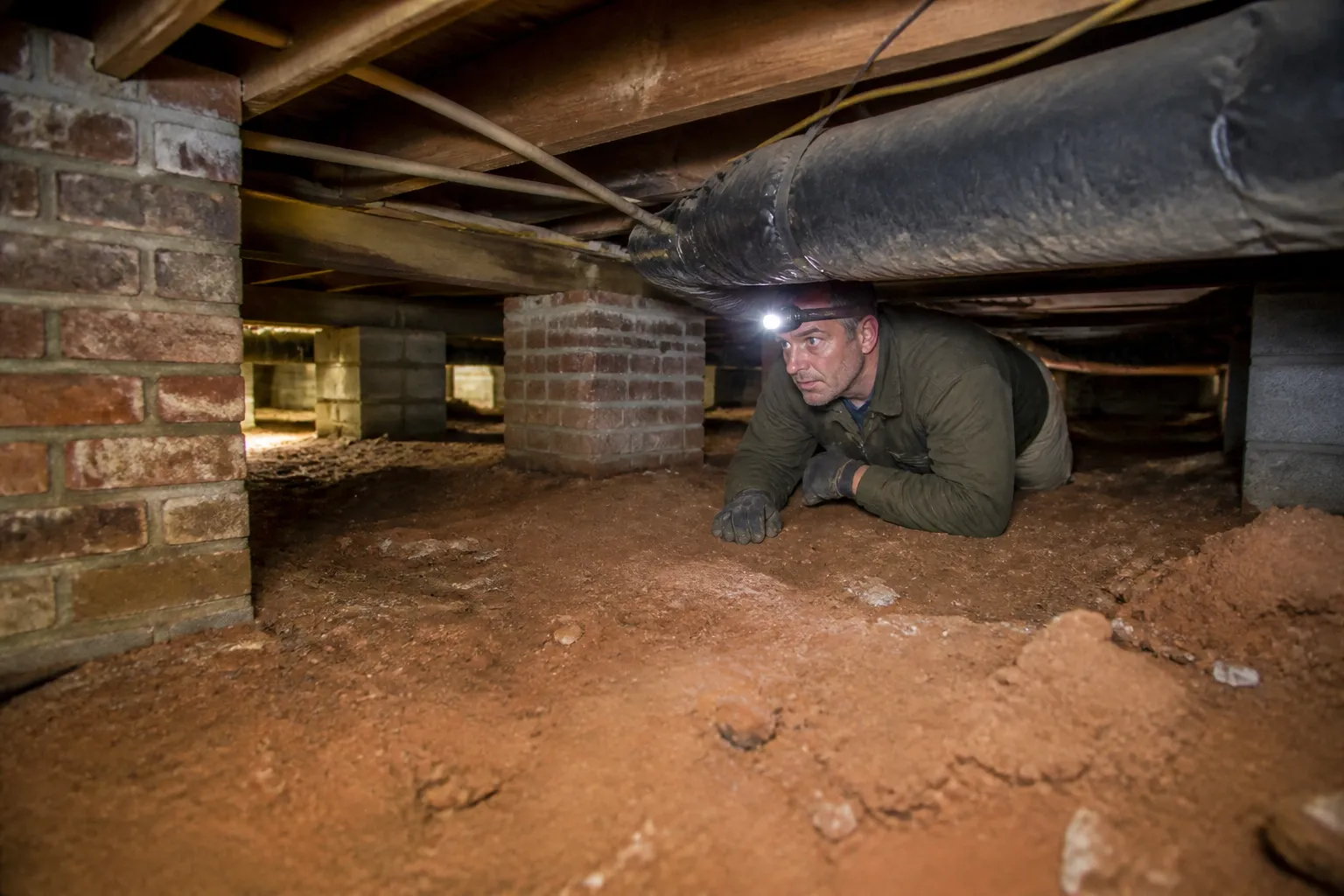
A vapor barrier is a sheet of plastic laid over the dirt floor. It slows moisture rising from the ground. It is usually thinner and may not be sealed at the seams or walls. Vents often stay open.
What encapsulation adds
- A thicker liner, often sealed at seams and run up the walls
- Sealed vents and access doors
- Humidity control, often with a dehumidifier
- Drainage or a sump pump when water is present
Cost comparison
HomeAdvisor lists a 20-mil vapor barrier at $0.50 to $0.70 per square foot for material. Full encapsulation averages about $5,500, with most homeowners spending $5,000 to $15,000. The gap reflects the extra sealing, equipment, and labor.
When a barrier may be enough
If the crawl space is dry, has good drainage, and only needs ground moisture slowed, a barrier can be a reasonable step.
When encapsulation makes more sense
If you see standing water, high humidity, mold, or musty smells in the house, a sealed system usually works better. It treats the air, not just the ground.
Questions to ask before you choose
- Where is the moisture coming from?
- How thick is the liner, and will it cover the walls?
- Will vents be sealed?
- Is a dehumidifier included?
How each one handles humid air
A plain vapor barrier only covers the ground. If vents stay open, humid outside air still flows in and can condense on cooler wood and ducts. Encapsulation closes those openings and adds humidity control, so the space stays drier year-round. In a humid climate, that difference can matter a lot.
Liner thickness explained
Liners are measured in mils, which is a thousandth of an inch. Thin plastic tears easily when someone crawls over it for repairs. Thicker liners, like 20-mil, hold up better to foot traffic and last longer. Ask what thickness each quote includes, since it affects both cost and durability.
Upkeep after the job
- Check the liner once or twice a year for tears.
- Empty or service the dehumidifier as the maker directs.
- Test the sump pump before the rainy season.
- Keep gutters clean so water does not overwhelm the system.
A little upkeep keeps either system working the way it should.
A closer look at the costs
HomeAdvisor, an Angi company, puts full encapsulation at about $5,500 on average, with most homeowners spending $5,000 to $15,000. Basic encapsulation runs $2 to $4 per square foot, and more extensive jobs $3 to $10 per square foot. A plain vapor barrier costs much less, since it skips sealing, equipment, and much of the labor. The right choice depends on how much moisture you need to control.
Add-ons that change the price
- Dehumidifier: $1,000 to $4,000, per Angi
- Sump pump: $1,200 to $2,500, per Angi
- Insulation: $2,600 to $5,500, per Angi
- Vent covers: Pros charge $40 to $50 each, per HomeAdvisor
Common mistakes to avoid
- Sealing a crawl space that still has standing water
- Leaving gaps at seams and walls
- Skipping humidity control in a humid climate
- Covering rotted wood instead of repairing it first
Avoiding these mistakes helps either option work the way it should. Ask your contractor how they handle each one.
Which one lasts longer?
A thin barrier can tear when someone crawls over it, and it does nothing about humid air coming through open vents. A sealed system with a thicker liner is built to hold up to foot traffic and keep the space dry year-round. For a crawl space that only needs ground moisture slowed, a barrier may be enough for now. For a space with ongoing humidity or water problems, encapsulation usually lasts longer and solves more.
A step-by-step approach
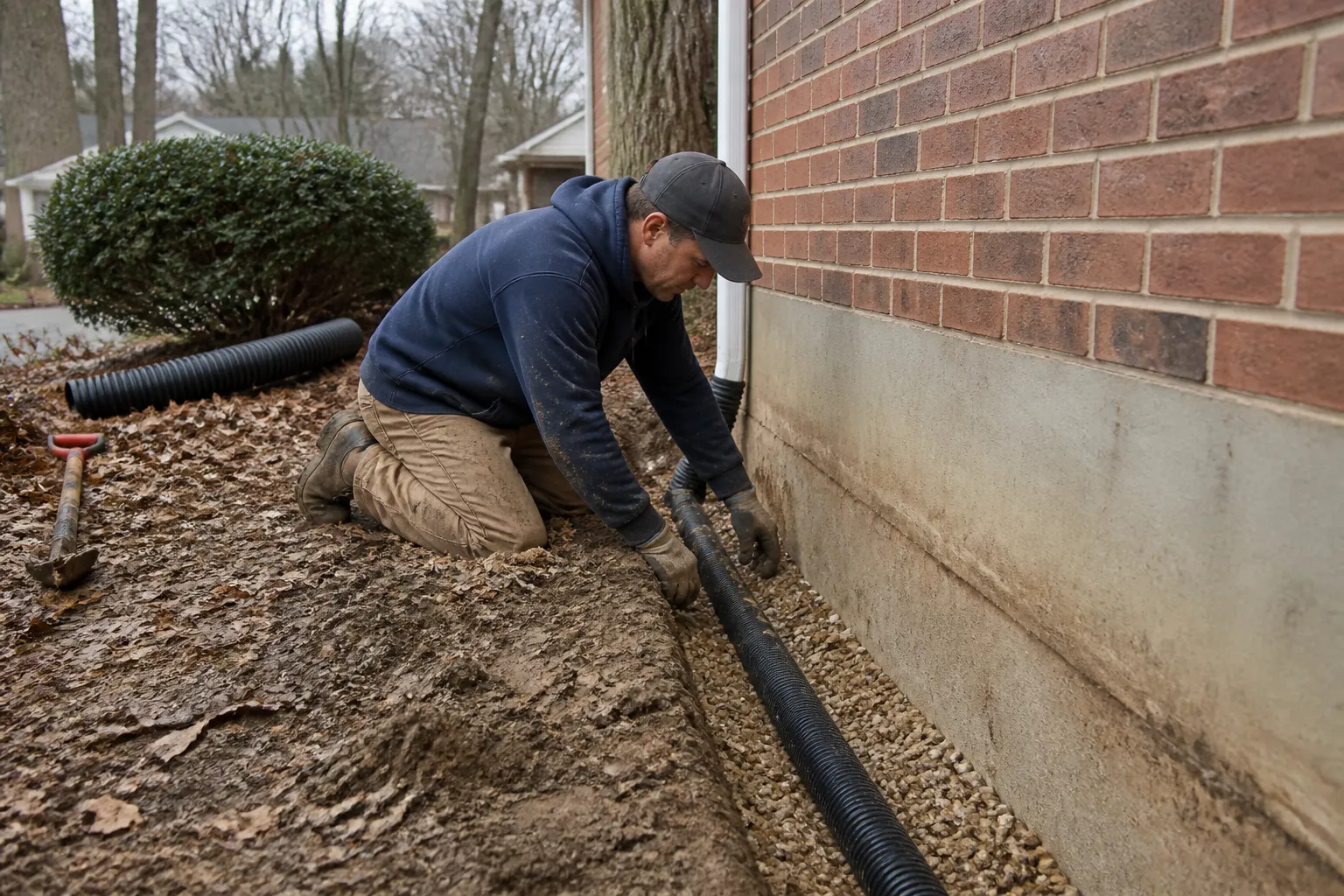
- Fix gutters, downspouts, and grading first.
- Have the crawl space inspected to find the water source.
- Repair any rotted wood or damaged supports.
- Choose a barrier or full encapsulation based on the inspection.
- Add humidity control if readings stay high.
Following these steps in order keeps you from paying to seal in a problem that will come back.
Common questions
Is a vapor barrier the same as encapsulation?
No. Encapsulation seals the space and controls humidity. A barrier only covers the ground.
Can I upgrade later?
Often, yes. A barrier can be upgraded to full encapsulation if problems continue.
Which lasts longer?
A thicker, sealed liner generally holds up better than thin plastic.