Birmingham Crawl Space Experts put this guide together to help you spot crawl space moisture before it becomes a bigger repair. Many problems under a house go unnoticed because few people look down there often. Knowing the warning signs helps you act early.
Signs you can notice from inside
- A musty or earthy smell in rooms on the first floor
- Floors that feel soft, bouncy, or uneven
- Higher humidity indoors, even with the air conditioning running
- More bugs than usual inside the house
- Cupping or gaps in wood floors
Signs you can see in the crawl space
- Standing water or mud after rain
- Wet or torn plastic on the ground
- White fuzzy growth or dark spots on wood
- Insulation sagging or falling down
- Rust on ducts, pipes, or metal straps
Where the water comes from
Rain and grading
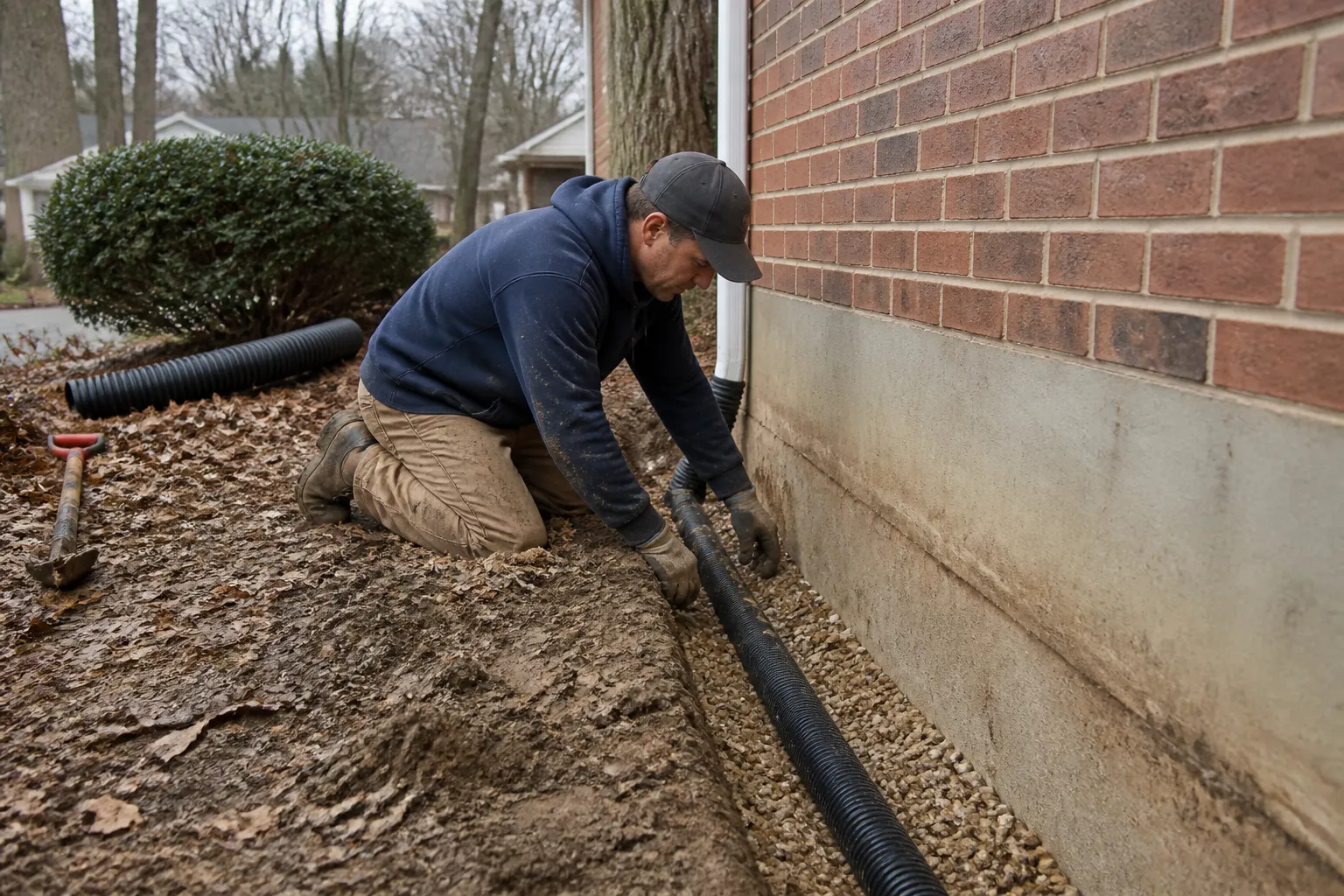
When the ground slopes toward the house, rain can flow into the crawl space. Downspouts that dump water next to the foundation make it worse.
Humid outside air
Open vents let warm, humid air in. When it hits cooler surfaces under the house, moisture can condense.
Plumbing leaks
A slow leak can keep part of a crawl space wet for a long time without anyone noticing.
What to do next
Start by fixing the easy things: clean gutters and extend downspouts away from the house. Then have the crawl space checked. HomeAdvisor lists a crawl space inspection at $100 to $300. The inspection should find the water source before anyone recommends a fix.
How humidity affects the rest of the house
Air from the crawl space moves up into the living space. When the crawl space is damp, that moisture can make rooms feel sticky and make the air conditioner work harder. Many homeowners notice comfort and smell problems before they ever look under the house.
Simple checks you can do
- Walk around the house after a heavy rain and watch where water flows.
- Check that downspouts carry water several feet away from the foundation.
- Use a small humidity meter on the first floor to track indoor humidity.
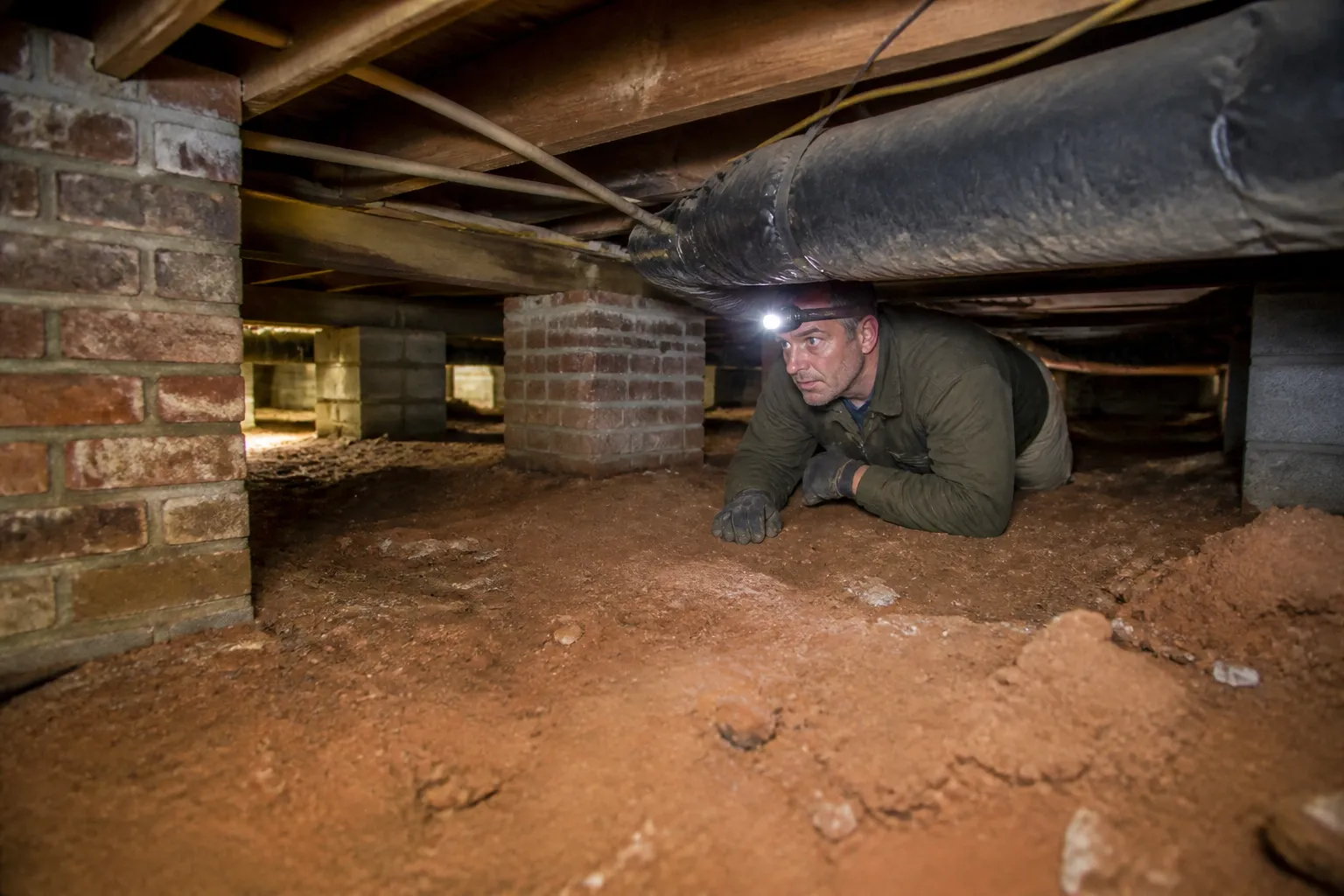
- Open the crawl space door and note any smells or standing water.
When to call a pro
Call for an inspection if you see standing water, mold growth, sagging insulation, or soft floors. These signs usually mean the problem has been going on for a while. An inspection should show where the water comes from and what fixes make sense, from drainage to a dehumidifier or full encapsulation.
Why acting early helps
Small moisture problems are easier and cheaper to fix than rotted wood or widespread mold. Catching them early also keeps your options open.
Seasonal patterns to watch
Crawl space moisture often changes with the seasons. In summer, warm humid air coming through open vents can condense on cooler surfaces under the house. In wet months, rain and runoff are more likely to cause standing water. Paying attention to when smells or damp floors appear can help an inspector find the cause faster.
Moisture and pests
Many insects and other pests are drawn to damp, dark spaces. Termites, ants, and other pests may be more active where wood stays wet. If you notice more bugs indoors or signs of pests near the foundation, a moisture problem under the house could be part of the reason.
What an inspection usually covers
- Checking for standing water and where it enters
- Measuring humidity and wood moisture
- Looking at the vapor barrier, insulation, and ducts
- Checking joists, beams, and supports for rot or sagging
- Noting signs of pests or mold
HomeAdvisor lists a crawl space inspection at $100 to $300. A good inspection report should explain the cause, not just the symptoms, and give you clear options.
Fixes from simple to complete
Some problems can be solved with gutter and grading fixes. Others need a dehumidifier, which runs $1,000 to $4,000 per Angi. Wet crawl spaces may need drainage or a sump pump. The most complete option is full encapsulation, which seals the space and controls humidity.
Keep a simple record
Write down when you notice smells, damp floors, or water after storms. Take a few photos through the crawl space door. These notes help an inspector see patterns and find the source faster.
Common questions
Is a damp crawl space dangerous?
Ongoing moisture can lead to mold and wood rot, so it is worth checking.
Can I check my crawl space myself?
You can look from the access door with a flashlight. Use care in tight spaces.
What fixes a wet crawl space?
It depends on the source. Drainage, sealing, and humidity control are common steps.